
Course Summary
Practice Level: Intermediate
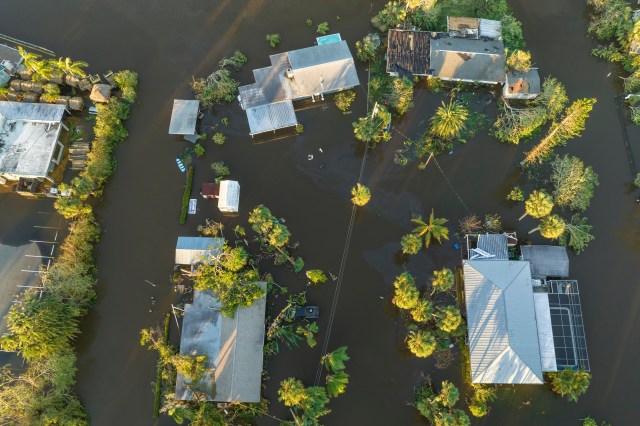
Americans are increasingly affected by disasters, particularly climate change, which can range from severe storms and flooding to extreme heat and draught. Federal disaster declaration data indicate that a large majority of U.S. counties have experienced at least one disaster in the past decade, reflecting the widespread and recurring impact of these events across the country (Federal Emergency Management Agency, 2026). Not only do disasters create a wake of destruction and financial devastation, but they also leave survivors with significant psychological suffering and trauma. The Substance Abuse and Mental Health Services Administration’s Disaster Behavioral Health All-Hazards Planning Guidance provides mental health clinicians, including social workers, counselors, marriage and family therapists, and psychologists, with the guidance needed to assess disaster survivors for behavioral health support needs, provide evidence-based treatment services, and thereby, promote resiliency and recovery.
This learning material begins by defining disaster behavioral health and related terminology. It presents common responses to a disaster, including behavioral, physical, emotional, and cognitive reactions, and discusses the various factors that can affect these responses. Appropriate, evidence-based interventions and assessment tools are provided. Finally, the learning material details the phases and elements required to develop and maintain a successful disaster behavioral health plan. Throughout this process, important attention is given to preventing burnout among response workers, as they strive to effectively assist individuals and communities impacted by disaster.
Course Format
This course contains downloadable online lessons (PDF) and a practice test. When you’re ready, purchase the course by clicking the “Add To Cart” or “Enroll” button. This will let you take the test, complete the course evaluation and receive your certificate for CE credits.
Learning Objectives
- Define disaster behavioral health and related terminology.
- Recognize common responses and mitigating factors among disaster survivors and disaster response workers.
- Describe disaster behavioral health interventions for affected populations.
- Identify key elements of a disaster behavioral health plan.
Course Syllabus
- Introduction
- Why We Plan
- Why “All-Hazards”?
- An Overview of Disaster Behavioral health
- The Planning Process
- Benefits of the Planning Process
- Getting Started
- Understanding Existing Plans, Resources, and Authorities
- Identifying Partners in Plan Development and Implementation
- Conducting a Pre-Event Needs Assessment and Risk Assessment
- Writing, Testing, Activating, and Deactivating the Plan
- Writing the Plan
- Testing the Plan
- Activating the Plan
- Evalusating and Revising the Plan
- Elements of Successful Disaster Behavioral Health Plans
- Scalability
- Clearly Defined Collaborations and Partnerships
- Clarify of Financial and Administrative Operations
- A Mechanism to Implement a Disaster Behavioral Health Plan
- Range and Clarity of Services
- A Description of Logistical Support
- Definition of Legal, Regulatroy, or Policy Authority to Assist Functioning
- A Defined Process for Maintenance, Exercises, and Updates
- Planning Resources
- Organizations
- Publications
- References
Authors
SAMHSA
The Substance Abuse and Mental Health Services Administration (SAMHSA) is an agency within the U.S. Department of Health and Human Services. SAMHSA leads public health efforts that advance the behavioral health of the nation and its mission is to reduce the impact of substance abuse and mental illness on communities in America.
William A. Cook, Ph.D.
William A. Cook, Ph.D. is a licensed psychologist who worked for 15 years in private practice in Montana before leaving his practice to work full time as the Director of CE4Less. He earned his doctorate degree from Texas A&M University, and focused much of his psychology practice in the area of child and family counseling, as well as psychological testing.
Accreditation Approval Statements
CE4Less.com is approved by the American Psychological Association to sponsor continuing education for psychologists. CE4Less.com maintains responsibility for this program and its content.
CE4Less.com, provider #1115, is approved as an ACE provider to offer social work continuing education by the Association of Social Work Boards (ASWB) Approved Continuing Education (ACE) program. Regulatory boards are the final authority on courses accepted for continuing education credit. ACE provider approval period: 08/08/2024–08/08/2027. Social workers completing this course receive 2 general continuing education credits.

CE4Less.com has been approved by NBCC as an Approved Continuing Education Provider, ACEP No. 6991. Programs that do not qualify for NBCC credit are clearly identified. CE4Less.com is solely responsible for all aspects of the programs.
Level Education Group, LLC is recognized by the New York State Education Department’s State Board for Mental Health Practitioners as an approved provider of continuing education for licensed mental health counselors #MHC-0355.
Level Education Group, LLC is recognized by the New York State Education Department’s State Board for Social Work as an approved provider of continuing education for licensed social workers #SW-0835.
We are committed to providing our learners with unbiased information. CE4Less never accepts commercial support and our authors have no significant financial or other conflicts of interest pertaining to the material.
$89.99 / yearAdd to Cart
View Pricing Options