

Ohio Substance Abuse Counselor CE Requirements
Ohio Substance Abuse Counselor CE Requirements
Fulfill your Ohio substance abuse counselor license renewal requirements today. To complete your substance abuse counselor CE, select the desired courses, or access our full catalog anytime with an Unlimited Subscription.
Ohio Substance Abuse Counselor CE Requirements and Courses Requirements
How many CEs does Ohio require?
Ohio Chemical Dependency Counselors are required to complete 30 hours (LICDC, LCDC II, LCDC III, and LICDC-CS) of continuing education every 2 years.
Can I take my CEs from CE4Less?
Yes! There are no restrictions on the number of hours Ohio Chemical Dependency Counselors can complete through CE4Less – all 30 hours may be earned through CE4Less.
CE4Less is approved by the American Psychological Association (APA), Association of Social Work Boards (ASWB), National Board of Certified Counselors (NBCC), and NAADAC.
Our Unlimited Plan is a great option for Ohio Chemical Dependency Counselors who want to satisfy all their continuing education requirements for one low price! Check out our options here.
What else do I need to know?
Ohio Chemical Dependency Counselor licenses must be renewed every 2 years by the license date.
Each renewal period Ohio Chemical Dependency Counselors must complete:
- 6 hours in Substance Use Disorder
- 3 hours in Ethics (See our courses in Ethics & Telemental Health and Ethics Boundary Issues)
- 6 hours in Gambling Disorder (CE4Less can only meet 4 credit hours)
- 6 hours in Supervision (LICDC-CS license)
For more information, please contact the Ohio Chemical Dependency Professionals Board at (614) 387-1110, see their website (available here) for additional information about your license or renewal requirements, or see Ohio’s rules and regulations relating to licensure and continuing education.
1-Year Unlimited
1-Year Unlimited
Ohio Substance Abuse Counselor CE Requirements and Courses
$89.99 / yearAdd to Cart
View Pricing Options
More Than a Number: The Impact of 988 on Reimagining Mental Health Crisis Care OD039
Lessons on the Impact of Trauma OD038

Impact of Racism and Trauma on Black Mental Health OD036
How to Help Someone with Mental Illness Accept Treatment OD033
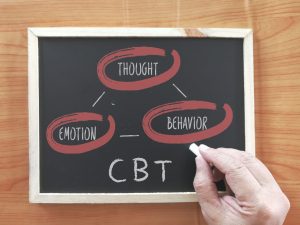
Cognitive Behavioral Therapy Case Illustrations: Demonstration of Key Interventions for Common Clinical Presentations and Problems E246B

What to Know Before Using a Mental Health App OD052

The Me2/Orchestra: Using Music as Part of the Recovery Journey OD051

The Impact of Sound and Music OD050

Clozapine: Understanding Benefits & Barriers OD026

The Future of WRAP with Founder Mary Ellen Copeland OD049

Intimate Partner Violence in Culturally Diverse Groups and Special Populations E238B

The Criminal Legal System – Transformation to Health and Justice OD048

The AAP and AFSP Blueprint for Youth Suicide Prevention: Opportunities to Support Youth and Families OD047

Suicide in Pretrial Detention and Expanding the Crisis Care Continuum OD046

Promoting Mental Health Equity in Black Churches OD045

Precision Medicine Research: Hope for the Future OD044