
Course Summary
Practice Level: Intermediate
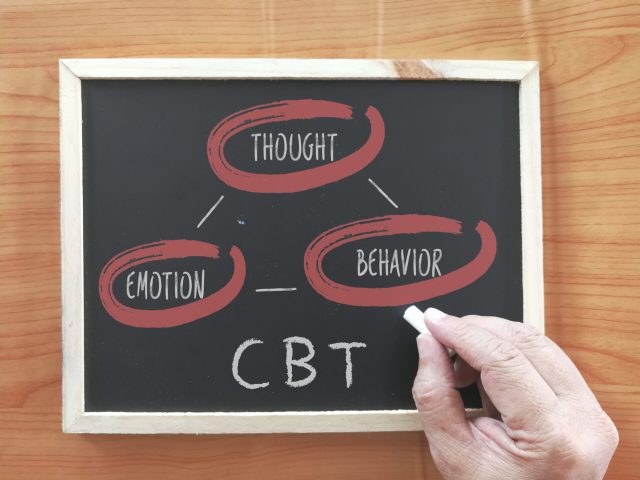
CBT is a reliable therapy found to work well in real-world settings for a host of problems and presentations. Intended for social workers, psychologists, marriage and family therapists, and counselors, participants of this course likely have some interest in and experience with CBT. Probable motivations for clinicians taking this course are either to improve their CBT practice to be more effective with their difficult to treat clients or to learn new interventions to add to their toolbox. This learning material is designed with these goals in mind. Although CBT does have a host of potent interventions which are examined in this course, it is more important for participants to learn to think like a CBT therapist. The true power of a CBT therapist is in knowing how and where to intervene. Learning to form individualized case conceptualizations and being familiar with diagnosis-specific models helps clinicians be more strategic with their interventions. In practice, CBT is a way of thinking that is driven by hypothesis testing and case formulation.
CBT is among the most studied form of psychotherapy. Although it may sometimes be inaccurately conceptualized as a collection of interventions and strategies, the model is better characterized as a way of thinking, or a theory-driven philosophy (Beck & Dozois, 2011), which can be used to guide the selection of interventions (Rosenbaum & Ronen, 1998). This working formulation (i.e., the cognitive behavioral case conceptualization) evolves over the course of treatment, serving as a guide for treatment and a lens for understanding the client. This learning material first reviews the basic components of the model and then applies those principles to real world cases to illustrate how to use it with clients.
Course Format
This course contains downloadable online lessons (PDF) and a practice test. When you’re ready, purchase the course by clicking the “Add To Cart” or “Enroll” button. This will let you take the test, complete the course evaluation and receive your certificate for CE credits.
Learning Objectives
- Explain the theoretical underpinnings of CBT, including how to create a cognitive behavioral case conceptualization.
- Identify where the strategic intervention point is in that conceptualization.
- Describe the self-monitoring phase of CBT and the core CBT interventions.
- Recognize CBT strategies to treat different clinical presentations including depression, anxiety, social phobia, panic disorder, and posttraumatic stress disorder.
Course Syllabus
- Introduction
- The Types of CBT
- The Generic Cognitive Model of CBT
- Levels of Cognition
- Core Beliefs
- Compensatory Strategies
- Rules and Assumptions
- Cognitive Filters
- Connecting the CBT Case Conceptualization and the Treatment Plan
- Creating a CBT Case Conceptualization
- Self-Monitoring
- Demonstrating the CBT Model With Self-Monitoring
- Increasing Self-Awareness of Thoughts
- Increasing Self-Awareness of Emotions
- Increasing Self-Awareness of Behaviors
- Example With a Behavior: Behavioral Activation
- Session Structure
- Core CBT Interventions
- Socratic Questioning
- Thought Records
- Behavioral Experiments
- Hypothesis A/Hypothesis B
- Problem Solving
- Behavior Modification
- Exposure
- Acceptance-Based Approaches
- Cultural Considerations
- CBT for Specific Presentations Depression
- Generalized Anxiety Disorder
- Social Phobia
- Panic Disorder
- Posttraumatic Stress Disorder
- CBT and Artificial Intelligence
- Summary
Author
Scott H. Waltman, PsyD, ABPP
Scott H. Waltman, PsyD, ABPP, is a clinician, international trainer, and practice-based researcher. His interests include evidence-based psychotherapy practice, training, and implementation in systems that provide care to underserved populations. He is certified as a qualified Cognitive Therapist and Trainer/Consultant by the Academy of Cognitive & Behavioral Therapies. He also is board certified in Behavioral and Cognitive Psychology from the American Board of Professional Psychology. He is a board member for the International Association of Cognitive Psychotherapy. Dr. Waltman worked as a CBT trainer for one of Dr. Aaron Beck’s CBT implementation teams in the Philadelphia public mental health system. He is the first author of the books Socratic Questioning for Therapists and Counselors: Learn How to Think and Intervene like a Cognitive Behavior Therapist and The Stoicism Workbook: How the Wisdom of Socrates Can Help You Build Resilience and Overcome Anything Life Throws at You.
Accreditation Approval Statements
CE4Less.com is approved by the American Psychological Association to sponsor continuing education for psychologists. CE4Less.com maintains responsibility for this program and its content.
CE4Less.com, provider #1115, is approved as an ACE provider to offer social work continuing education by the Association of Social Work Boards (ASWB) Approved Continuing Education (ACE) program. Regulatory boards are the final authority on courses accepted for continuing education credit. ACE provider approval period: 08/08/2024–08/08/2027. Social workers completing this course receive 4 clinical continuing education credits.
This course has been approved by CE4Less.com, as a NAADAC Approved Education Provider, for educational credits. NAADAC Provider #91345, CE4Less.com is responsible for all aspects of the programing.
CE4Less.com has been approved by NBCC as an Approved Continuing Education Provider, ACEP No. 6991. Programs that do not qualify for NBCC credit are clearly identified. CE4Less.com is solely responsible for all aspects of the programs.
Level Education Group, LLC is recognized by the New York State Education Department’s State Board for Mental Health Practitioners as an approved provider of continuing education for licensed mental health counselors #MHC-0355.
Level Education Group, LLC is recognized by the New York State Education Department’s State Board for Social Work as an approved provider of continuing education for licensed social workers #SW-0835.
We are committed to providing our learners with unbiased information. CE4Less never accepts commercial support and our authors have no significant financial or other conflicts of interest pertaining to the material.
$89.99 / yearAdd to Cart
View Pricing Options