
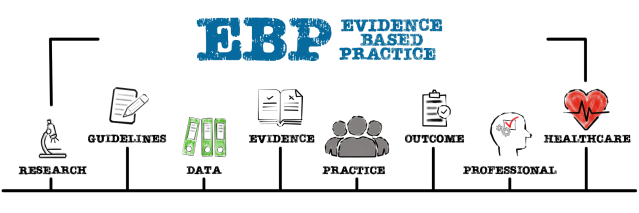
What Are the Benefits of Evidence-Based Practice in Mental Health?
What Are the Benefits of Evidence-Based Practice in Mental Health?
Through gathering and implementing research findings, healthcare professionals can provide holistic and modernized care to their clients. Using research findings to inform treatment is known as evidence-based practice (EBP). Required in most healthcare settings, EBP promotes treatment efficacy and improves client experiences. It also applies in therapeutic settings, as EBP can help mental health professionals make more objective and accurate diagnoses, as well as develop treatment plans based on reliable information.
Employing EBP in your mental health services is just one way to maximize practice and treatment outcomes. Discover other ways to benefit your practice and improve client care through continuing education courses for mental health professionals at CE4Less.
What Is Evidence-Based Practice?
EBP uses updated research findings to inform clinical decisions. EBP requires clinicians to review and assess the latest research and apply this knowledge to their clients’ treatment plans.
Combining clinical research with professional experience, healthcare and mental health professionals can curate thoughtful and relevant care plans. Applying EBP in care can lead to more effective client recovery and minimize the chances of medical error.

Levels of Evidence-Based Practice
EBP classifies different types of evidence into hierarchical levels. These levels categorize studies by the consistency and reliability of their findings within a field, and they serve as a guide to readers. Studies with a higher level of ranking demonstrate less risk of bias. Hierarchical rankings help indicate the quality of a study and its evidence, as well as its applicability within a setting.
How Evidence-Based Practice Applies to Mental Health Care
Similar to other branches of healthcare, EBP is highly applicable to mental health care. Mental health care professionals can employ existing research regarding mental health conditions by using it to inform diagnoses and the most effective methods of treatment for their clients.
Benefits of Evidence-Based Practice in Mental Health Care
EBP offers mental health professionals a knowledgeable framework to build off. Mental health services benefit from this type of practice since it offers a credible starting point, holistic knowledge surrounding a client’s condition, and more effective care.
“Having relevant, credible research as a starting point can significantly improve and practitioner’s diagnostic and intervention skills, which allow for better treatment and improve a client’s overall experience.”
Offers a Reliable Starting Point
With EBP in mental health care, practitioners have the opportunity to use existing research relevant to their clients’ conditions to find methods of treatment that have proven successful. Research references combined with clinical expertise and the specifics of a client’s mental health journey put psychologists in a position to create an individualized and informed treatment plan.
Incorporates a Holistic Scope of Studies
EBP allows psychologists to review studies from varying health sciences that may be relevant to their clients and their conditions. Sociological, biological, and chemical sciences are just a few of the types of fields that can offer invaluable evidence and insight into different aspects of a client’s mental well-being.
Promotes Effective Treatment
Having relevant, credible research as a starting point can significantly improve and practitioner’s diagnostic and intervention skills, which allow for better treatment and improve a client’s overall experience. The ability to rely on scientific and local research that outlines their efficiencies or limitations is an invaluable resource.
Tips for Implementing Evidence-Based Practice into Your Services
From reviewing evidence to analyzing results, there are various considerations to help implement EBP into your practice.
- Ask a specific clinical question.
- Locate credible research, considering hierarchical ratings to determine what will best answer your question.
- Review the research and evidence critically by reflecting on their validity, precision, and applicability to your clinical circumstances and questions.
- Integrate the evidence into your practice, taking client preferences and clinical expertise into consideration.
- Assess the impact of the psychological interventions you applied on the client’s mental well-being and satisfaction.
Become an Expert in Evidence-Based Practice With CE4Less
EBP is beneficial because it complies with ethical mandates and ensures that research and data, rather than bias, drive client care. It provides mental health professionals with a reliable baseline for creating individualized treatment plans for their clients and ensures that they’re applying care strategies that are safe, consistent, and effective in benefitting clients’ mental health.
CE4Less offers many continuing education courses for mental health professionals that center EBP. These include courses on psychosocial interventions, cognitive behavioral therapy, and cultural clinical psychology, among many other topics.
Explore continued education in different categories to bolster your practice and improve your clients’ experiences and outcomes. With budget-friendly pricing, state licensing and renewal requirements, and a broad course catalog, CE4Less allows mental health professionals to maintain certification and advance their careers.
Find out more about how you can reach your goals with the offerings at CE4Less.
Recommended Readings
Why Cultural Competence Matters in Mental Health Care
5 Techniques to Promote Positive Mental Health in the Workplace
Sources:
American Nurses Association, “What Is Evidence-Based Practice in Nursing?”
Memorial Sloan Kettering Library, Evidence-Based Practice: Levels of Evidence
Neurotherapeutics, “Evidence-Based Psychotherapy: Advantages and Challenges”Plastic and Reconstructive Surgery, “The Levels of Evidence and Their Role in Evidence-Based Medicine”
Latest Articles
- When Halloween Isn’t a Treat: What the Spooky Season Can Stir Up
- You Matter: A Reflection for National Suicide Prevention Month
- You Can’t Predict Everything: What the Research Says About Doing This Work Well
- Does Your EMDR Training Meet the Standard? Here’s What EMDRIA Approval Means
- Why Thousands of Clinicians Are Exploring Psychedelic Therapy for Stuck Clients
Featured Course
NAMI Ask the Expert: Good News for People With Mental Illness As the Great American Smokeout Nears OD031
Free Course

Ethics And Boundary Issues E097J
Join our mailing list
Get news, perspectives, special offers, new course alerts, and renewal date reminders straight to your inbox. Join our mailing list to stay up to date on what’s happening at CE4Less and make sure you never miss a deadline!